

New Year, New Build! WIN $4K Enter Daily >

GMC Sierra Leveling Kits

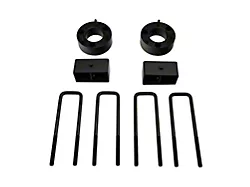
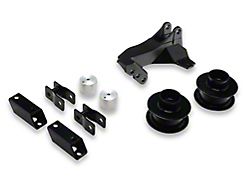
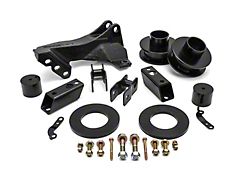
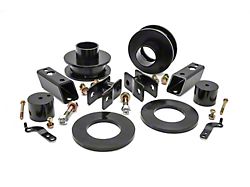
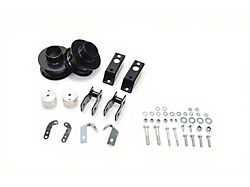
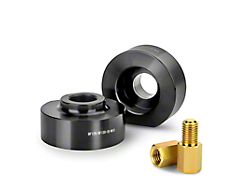
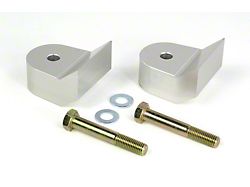
GMC Sierra Leveling Kits provide the perfect entry point into suspension customization by eliminating the factory front-end rake while creating room for moderately larger tires. These precision-engineered spacers deliver approximately 2 inches of front lift that creates a level stance from bumper to tailgate, transforming your truck's appearance without the complexity or expense of a complete lift system.


Installation simplicity represents a key advantage of quality GMC Sierra Leveling Kits, with premium options offering straightforward procedures that typically require only a few hours of shop time. Cost-effectiveness creates another compelling benefit for many owners, providing dramatic appearance improvements at a fraction of the price of comprehensive lift kits while maintaining factory ride quality and handling characteristics.


Take your suspension customization further with our complete GMC Sierra Lift Kits collection offering options for more substantial height increases when desired. Find everything needed for your Sierra build in our comprehensive GMC Sierra Accessories & Parts catalog spanning categories from performance to appearance. Latest generation owners should explore our specialized Sierra leveling kits engineered specifically for 2019-present models with perfect compatibility and fitment.
Show More

Recommended for You

Recently Added 24-26 Ranger;Leveling Kits

GMC Sierra Leveling Kits

Eliminate the factory rake and achieve a commanding, level stance with a quality leveling kit designed specifically for your GMC Sierra. Factory trucks typically sit lower in the front to accommodate payload weight when towing or hauling, but this creates an uneven appearance that many owners prefer to correct. Leveling kits raise the front suspension to match the rear height, creating a balanced, aggressive profile while enabling fitment of larger tire sizes for improved ground clearance and off-road capability. These kits are engineered to maintain your truck's ride quality and handling characteristics while providing measurable benefits in both appearance and functionality. Unlike full lift kits, leveling kits offer a cost-effective solution that typically requires fewer components and simpler installation, making them accessible for DIY enthusiasts with basic mechanical skills. Most leveling kits utilize high-strength steel or aircraft-grade aluminum spacers that install above the front struts or between suspension components, providing durable, long-lasting lift without compromising safety or reliability. Installation generally takes a few hours with standard shop tools, though professional installation ensures proper alignment and optimal results. Beyond aesthetics, a leveled stance improves headlight aim by adjusting the front-end angle, enhances approach angles for off-road driving, and creates a more balanced platform for aftermarket accessories like winches, bull bars, and heavy-duty bumpers. Choose from various lift heights to achieve your desired stance while maintaining factory ride quality and suspension performance.

Leveling Kit Location

  • Front: Front leveling kits raise only the front suspension to eliminate factory rake and create a level stance across the truck. These kits offer the most economical solution for achieving balanced appearance while allowing larger tire fitment, typically ranging from 1.5 to 3.5 inches of lift depending on the specific product and desired outcome.
  • Front and Rear: Front and rear leveling kits provide lift to both axles, creating an overall raised stance while maintaining proper truck geometry. This configuration offers increased ground clearance throughout the entire vehicle, improving off-road capability and creating space for significantly larger tire sizes while preserving factory suspension travel and handling characteristics.

Leveling Kit Lift Height

  • 2.00 Inch: A 2-inch lift provides subtle elevation that eliminates factory rake while typically accommodating up to 33-inch tires on most Sierra models without rubbing. This moderate lift height maintains factory ride quality and requires minimal or no additional modifications, making it ideal for daily drivers seeking improved appearance without compromising comfort or drivability.
  • 3.00 Inch: A 3-inch lift creates a more aggressive stance with significantly improved ground clearance, often allowing fitment of 35-inch tires depending on wheel offset and trimming. This height provides enhanced off-road capability and commanding road presence while still maintaining reasonable center of gravity for on-road stability and handling performance.

Leveling Kit Includes Shocks

  • Shocks Not Included: Leveling kits without shocks utilize your factory shock absorbers, which typically have sufficient travel to accommodate moderate lift heights. These kits offer a more affordable option and work well when factory shocks are in good condition, though some users eventually upgrade shocks separately for improved performance or when the factory units require replacement.
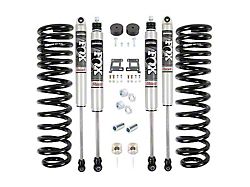
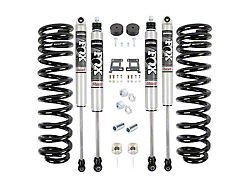
  • Shocks Included: Complete leveling kits include specially valved shock absorbers engineered to optimize performance at the lifted ride height. These shocks provide proper damping characteristics for the modified suspension geometry, often featuring upgraded construction and performance enhancements over factory units for improved ride quality both on and off-road.

When choosing a leveling kit for your GMC Sierra, carefully consider your intended use and modification goals.

If you plan to add heavy front-end accessories like winches or steel bumpers, factor in the additional weight when selecting lift height to ensure adequate ground clearance.

Professional alignment after installation is essential to maintain proper tire wear and handling characteristics, as leveling changes suspension geometry and may affect camber, caster, and toe settings that directly impact vehicle performance and component longevity.

Frequently Asked Questions

1. What are the top leveling kit options for pickup trucks?
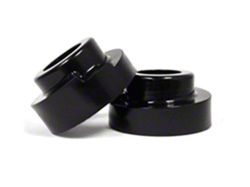
Quality leveling kits vary significantly by manufacturer, construction materials, lift height, and included components, with options ranging from budget-friendly spacer kits to comprehensive systems with upgraded shocks and hardware. Top-tier manufacturers like Rough Country, ReadyLIFT, Supreme Suspensions, and Bilstein offer proven designs with extensive testing and vehicle-specific engineering. Entry-level kits typically use polyurethane or aluminum spacers and rely on factory shocks, providing economical leveling solutions for daily drivers. Mid-range options often include extended bump stops, sway bar links, and premium hardware for improved performance. Premium kits bundle specially-valved shock absorbers optimized for the lifted height, delivering superior ride quality and handling. When evaluating options, consider factors like material quality (aircraft-grade aluminum or high-strength steel), warranty coverage, ease of installation, and whether additional components like differential drop brackets or extended brake lines are needed for your specific lift height. For comprehensive recommendations comparing features, performance, and value across different manufacturers and price points, explore our Top 10 Lift and Leveling Kits for Any Pickup Truck guide.

2. How do I determine the right lift height for my needs?
Determining the ideal lift height requires balancing multiple factors including your aesthetic goals, intended tire size, driving conditions, and how you use your truck. For purely cosmetic leveling to eliminate factory rake, a 1.5-2 inch front lift typically suffices and allows fitment of slightly larger tires (up to 33 inches) without rubbing or trimming. If you want more aggressive stance and plan to install 35-inch tires, consider 2.5-3 inch leveling kits, though this may require minor trimming at full steering lock. For serious off-road use, taller lifts improve ground clearance and approach angles but come with tradeoffs including altered suspension geometry, increased center of gravity affecting handling, potential impacts to fuel economy, and possible warranty concerns. Consider whether you frequently load heavy cargo or tow, as front-end weight from winches, steel bumpers, or plow equipment will compress the suspension and effectively reduce your lift height. Daily drivers prioritizing comfort should generally opt for moderate lift heights (2 inches or less), while weekend off-roaders and show trucks can justify taller lifts. Also factor in your local regulations, as some jurisdictions have maximum lift height restrictions. Learn about the detailed considerations and trade-offs in our comprehensive guide: What's the Right Amount of Lift for Your Truck?

3. Will leveling affect my truck's ride quality?
Quality leveling kits from reputable manufacturers are specifically engineered to maintain ride characteristics very close to factory specifications when properly installed. However, some changes are inevitable due to the modified suspension geometry. Spacer-style leveling kits that retain factory shocks may produce a slightly firmer ride, particularly over sharp bumps, because the suspension has less available droop travel before reaching full extension. This firmness is usually minor and many drivers don't notice significant differences in daily driving. The ride quality impact is more noticeable if your factory shocks are already worn, as the reduced travel amplifies existing damping deficiencies. Leveling kits that include specially-valved replacement shocks often actually improve ride quality compared to factory specifications, offering better damping control and more compliance over rough surfaces. These upgraded shocks are tuned specifically for the altered suspension geometry and extended ride height. To minimize any negative ride quality effects, ensure your leveling kit includes or is compatible with quality shock absorbers, maintain proper tire pressure, and have the suspension professionally aligned after installation. Most truck owners find modern leveling kits provide excellent ride quality that's very comparable to stock, especially when paired with appropriate shocks.

4. Do I need to recalibrate my speedometer after leveling?
Leveling kits alone do not affect speedometer or odometer accuracy because they don't change your tire diameter, which is what the vehicle's computer uses to calculate speed and distance. The speedometer calibration is based on the number of tire rotations over a given distance, so as long as you maintain the same overall tire diameter, your readings remain accurate. However, if you install larger tires as part of your leveling project (which most people do to take advantage of the increased clearance), then yes, speedometer and odometer recalibration becomes necessary. For example, upgrading from 31-inch to 33-inch tires will cause your speedometer to read lower than your actual speed because the larger tires cover more ground per revolution. The discrepancy is approximately proportional to the tire size increase - moving from 31 to 33-inch tires (about 6% increase) means your speedometer will read roughly 6% slow. Recalibration options include purchasing a speedometer programmer or tuner (which also often provides other performance benefits), having a dealership reprogram your computer, or installing a module that corrects the speed signal. Some modern trucks with digital displays allow gear ratio changes through the infotainment system to compensate for tire size changes. Accurate speedometer readings are important for legal compliance, proper shift points, and cruise control function.

5. What maintenance considerations come with leveled suspension?
Leveled trucks require slightly more attention to certain suspension and steering components compared to stock-height vehicles due to altered geometry and operating angles. The most important maintenance consideration is regular alignment checks, ideally every 12,000-15,000 miles or annually, as leveling changes suspension geometry affecting camber, caster, and toe settings. Watch for uneven tire wear patterns indicating alignment drift, particularly inner or outer edge wear suggesting camber issues. CV axles and front driveshaft joints operate at steeper angles with leveled suspension, potentially experiencing increased wear rates, so periodic inspection for torn boots or excessive play is recommended during tire rotations. Ball joints also work at different angles and may wear faster, particularly with aggressive driving or oversized tires, so check for play or looseness during regular service. Upper control arms may benefit from aftermarket adjustable replacements on higher lifts to restore optimal geometry and reduce component stress. Shock absorbers should be inspected regularly for leaks or reduced damping performance. Quality leveling kits from reputable manufacturers are specifically designed to minimize these concerns and maintain component longevity within reasonable limits, with many trucks experiencing minimal accelerated wear when properly maintained. Following the manufacturer's installation instructions, using all included components, and maintaining proper alignment are key to long-term reliability. Most leveled trucks provide years of trouble-free service with conscientious maintenance.

Fitment Includes:

  • 1999, 2000, 2001, 2002, 2003, 2004, 2005, 2006, 2007, 2008, 2009, 2010, 2011, 2012, 2013, 2014, 2015, 2016, 2017, 2018, 2019, 2020, 2021, 2022, 2023 and 2024 Sierras
  • Base, C3, Classic, HT, Hybrid, Nevada Edition, SL, Z71, Denali, SLE, 1500, SLT and WT Sierras
  • Engines: 4.3L Vortec V6, 4.8L Vortec V8, 5.3L Vortec V8, 5.3L Flex-Fuel Vortec V8, 5.3L Vortec V8 Hybrid, 6.0L Vortec V8, 6.2L VVT Vortec V8, 4.3L EcoTec3 V6, 5.3L EcoTec3 V8, 6.2L EcoTec3 V8 Sierras

*Please see Sierra parts pages for any exceptions.